


Prostatitis affects the prostate gland, a glandular-muscular organ located in the pelvic area of the male population.
According to statistics, about 50% of men over the age of 50 suffer from prostatitis.
The prostate is responsible for the production of a special secretion that, when combined with the sperm, helps to maintain the activity and vitality of the sperm.
In prostatitis, an inflammatory process is diagnosed in the prostate gland, which is caused by the introduction of an infectious antigen into the body.An inflamed prostate disrupts the functioning of the entire male reproductive system and is characterized by a number of specific symptoms.In order to avoid complications, it is necessary to treat prostatitis in a timely manner with medicines, as well as some folk remedies at home.
Causes of prostatitis

The main cause of prostatitis is infection.As a rule, inflammation can be caused by different types of bacteria: E. coli, Staphylococcus aureus, Klebsiella, Enterobacter.All these microorganisms are present in the microflora of a healthy person, however, with any decrease in immunity, their number increases pathologically and causes inflammatory processes.Sedentary lifestyle, bad habits and irregular sex life can also be a provoking factor.
Any genital or sexually transmitted infection can also lead to prostatitis.We are talking about trichomoniasis, chlamydia, gonorrhea and other diseases.This phenomenon occurs because the prostate is closely related to the activity of other organs of the male genital system.
Thus, the cause of the inflammatory process easily reaches the organ through the small pelvic urethra, rectum, lymphatic or blood circulation system.Prostatitis is an unpleasant disease, the symptoms and treatment of which should not be stopped.
Types of disease
In modern medicine, four main categories of prostatitis in men are usually distinguished:
- spicy
- chronic bacterial;
- chronic prostatitis;
- Symptomatic chronic
Acute prostatitis is not common.It is caused by a bacterial infection and is quite severe.Patients complain of acute pain, fever and severe weakness.On examination, the human gland is very painful and enlarged.The acute phase is full of serious complications, so the patient needs quick and qualified medical assistance.
Chronic bacterial prostatitis is most often caused by Escherichia coli.Its causes include a decrease in immunity, the presence of a source of infection in the body, and previous operations in the pelvis.It is more indolent than acute prostatitis, although the symptoms are similar.
Chronic prostatitis is often called chronic pelvic pain syndrome.This type is characterized by prolonged pain for more than three months.In this case, the tests show the absence of pathogenic flora.Asymptomatic type of the disease manifests practically without symptoms or signs.As a rule, a person discovers the pathology during a regular examination with a doctor, or when taking a sample of prostate tissue for histological examination.
Symptoms of prostatitis: the first signs
Timely diagnosis allows you to detect the first symptoms of prostatitis, and also significantly speeds up the treatment process and helps you quickly return to a healthy and fulfilling life.
That is why it is necessary to listen to your body and react to the slightest pain and discomfort.
As a rule, the first alarm bell of prostatitis is problems with urination.This is explained by the fact that the inflamed organ increases in size and begins to pressurize the urinary tract.
A man may experience tingling and pain when urinating and difficulty urinating.At the same time, the frequency of visits to the toilet increases.These symptoms may be accompanied by a burning sensation in the perineum and discomfort during bowel movements.In addition to problems with urination, a characteristic sign of prostatitis is sexual dysfunction, which manifests itself in different ways.
A man may experience erectile dysfunction during intercourse, but often has a prolonged erection at night.In addition, such patients have premature ejaculation and pleasure during orgasm is significantly reduced.
Another common symptom of prostatitis is pain, but half of patients do not have it.Aching pain can be constant;As a rule, this type of pain is localized in the pelvis.Also, the feeling of pain sometimes occurs during urination, ejaculation and erection.Any such pain is a sign that you should immediately consult a specialist.
diagnosis
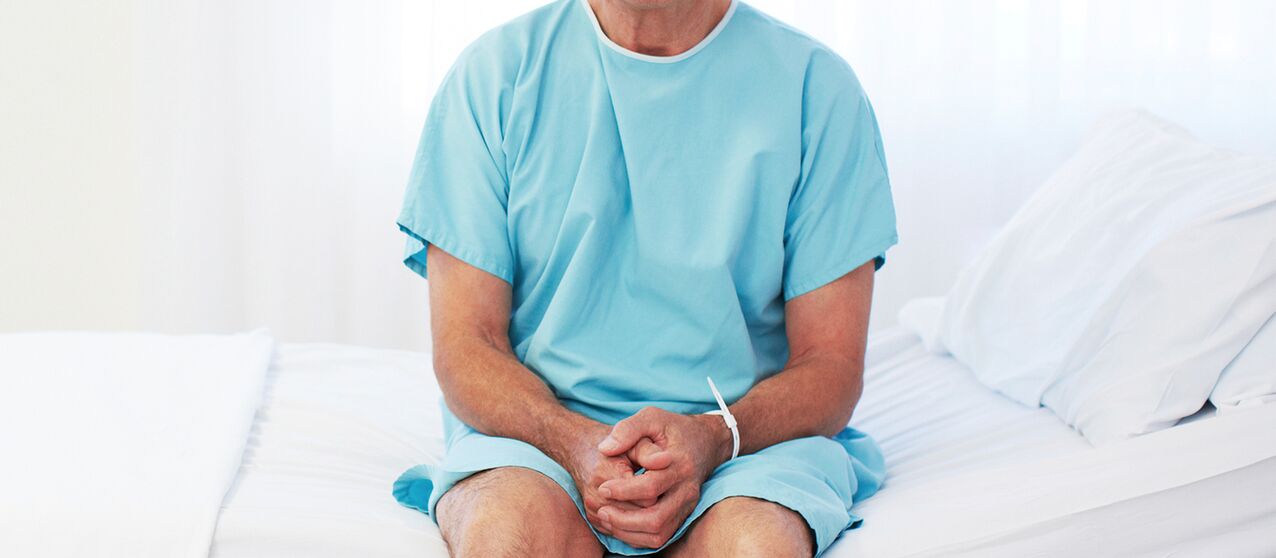
Diagnosis of prostatitis includes a number of measures that help to fully confirm or deny such a diagnosis, which in turn will allow for a quick cure of prostatitis.
First, the examination is conducted by a specialist.As a rule, this is a urologist.After collecting data about the patient and carefully listening to all his complaints, the doctor provides a referral for further examinations.First, an ultrasound examination of the prostate is performed.
As a rule, a traditional ultrasound of the abdomen is performed, but in some cases a transrectal examination is possible, when a special sensor is inserted into the rectum or urethra.
If inflammation of the prostate gland is suspected, a series of laboratory tests should be performed.This list includes general and biochemical blood analysis, general analysis of urine and analysis of urine in three parts.
Prostate secretions are also taken to detect bacteria and elevated leukocytes, and sperm quality is checked.If necessary, the doctor may prescribe other additional tests and studies.
Treatment of prostatitis
If you are diagnosed with prostatitis, treatment is usually a long-term effort that requires not only drug therapy, but also other methods.
The choice of a specific drug for the treatment of prostatitis largely depends on the type of disease diagnosed in a person.Therefore, broad-spectrum antibiotics are mandatory in acute prostatitis.There will be similar prescriptions for those whose prostatitis is caused by different types of bacteria.The duration of antibiotic therapy varies in each individual case, but it is always carried out under the strict supervision of the attending physician.
Anti-inflammatory agents, antispasmodics and absorbents are recommended as drug therapy for almost any type of inflammation of the prostate gland.For the treatment of non-bacterial forms, the so-calledalpha-blockers.They promote a better flow of urine, relax the muscles of the pelvic organs and improve blood supply.
In case of prostatitis, prostate massage is considered to be another effective method of treatment.Some doctors recommend using this method exclusively for chronic non-bacterial prostatitis, believing that otherwise it can contribute to the spread of infection in the human body.Others are convinced that massage, on the contrary, promotes the absorption of antibacterial drugs into the blood.Absolute contraindication to this method is acute prostatitis.Prostate massage is performed specially in hospital conditions.It improves the outflow of prostate secretions, has a positive effect on the organ's blood supply and its muscle tone.
How else to treat prostatitis?Good results in the treatment of inflammation of the prostate gland can be achieved using various physiotherapeutic procedures.In this case, we are talking about ultra and electric procedures, magnetic and laser therapy, etc.Surgical intervention of this disease is extremely rare in our time.
What happens if the treatment does not stay?
Neglecting the treatment of prostatitis can cause serious problems for a person.Most often, complications are related to the further spread of the infection.This is how inflammation of the seminal vesicles develops - when the inflammatory process damages the testicular tuberculosis.In addition, various prostate diseases can develop.
In acute prostatitis, there is a high probability of abscess formation, after which in most cases a scar remains on the prostate.Prostate stones and cysts are also often diagnosed, which are also complications of the disease.
Prolonged prostatitis also affects a man's sex life, as it can cause many dysfunctions.Most often we are talking about erectile dysfunction or premature ejaculation.All this leads to a decrease in sexual desire and, as a result, psychological problems.In more severe cases, the disease can also cause infertility.
Prevention of prostatitis
Prevention, first of all, includes regular monitoring of your health and prompt detection of existing problems.Since the disease often appears as a result of untreated infections of the genitourinary system, first of all, you should pay attention to this aspect.If any symptoms appear, you should consult a urologist.

To protect against infection, it is also recommended to use contraception and limit sexual life to one partner.
A healthy lifestyle is very important in the prevention of prostatitis.It has been noted for a long time that this disease most often affects those who spend most of their time in a sitting position.Therefore, office workers and drivers are the first to be at risk.Doctors recommend more frequent walking and physical exercise.But sudden temperature changes, or prolonged overheating and hypothermia are not desirable.
In addition, you should pay attention to your diet.It should be as diverse as possible.Constipation should not be allowed, because in this case the prostate gland is compressed and blood circulation in the organ may deteriorate.